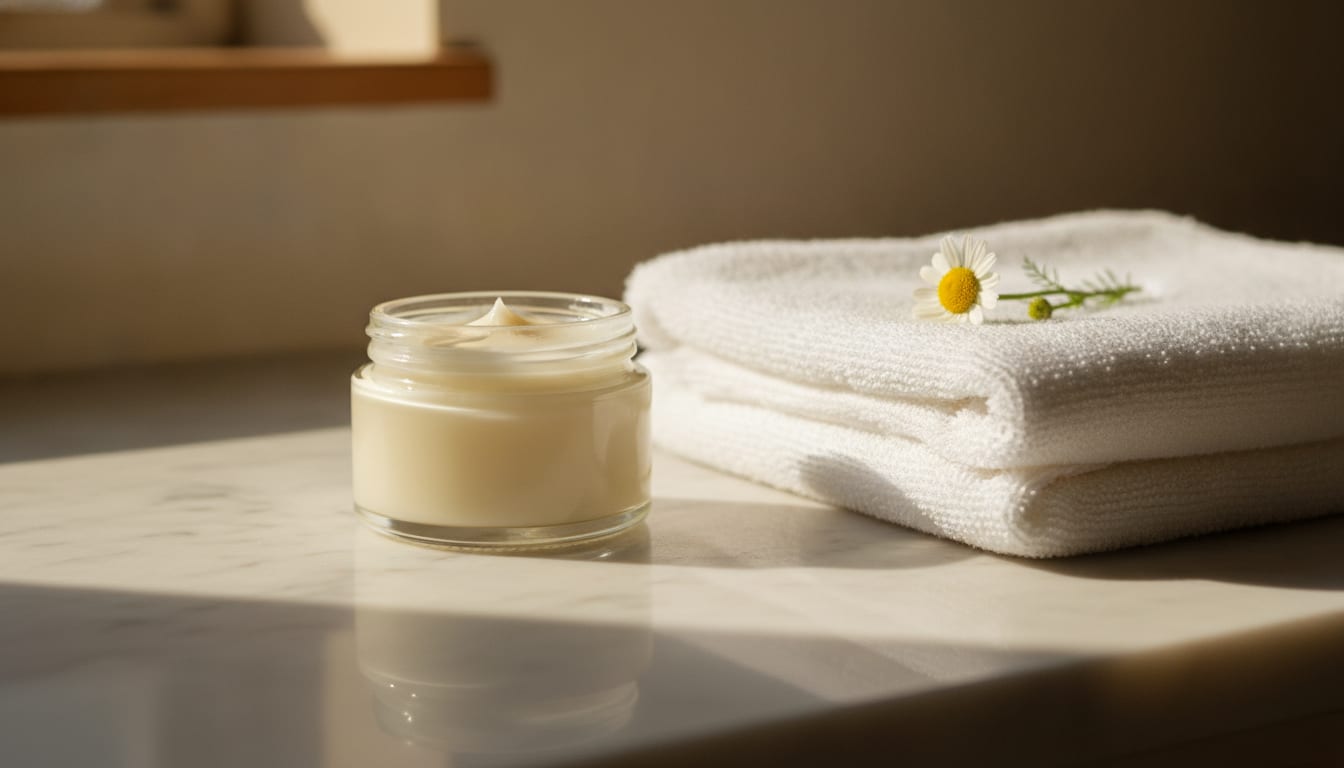
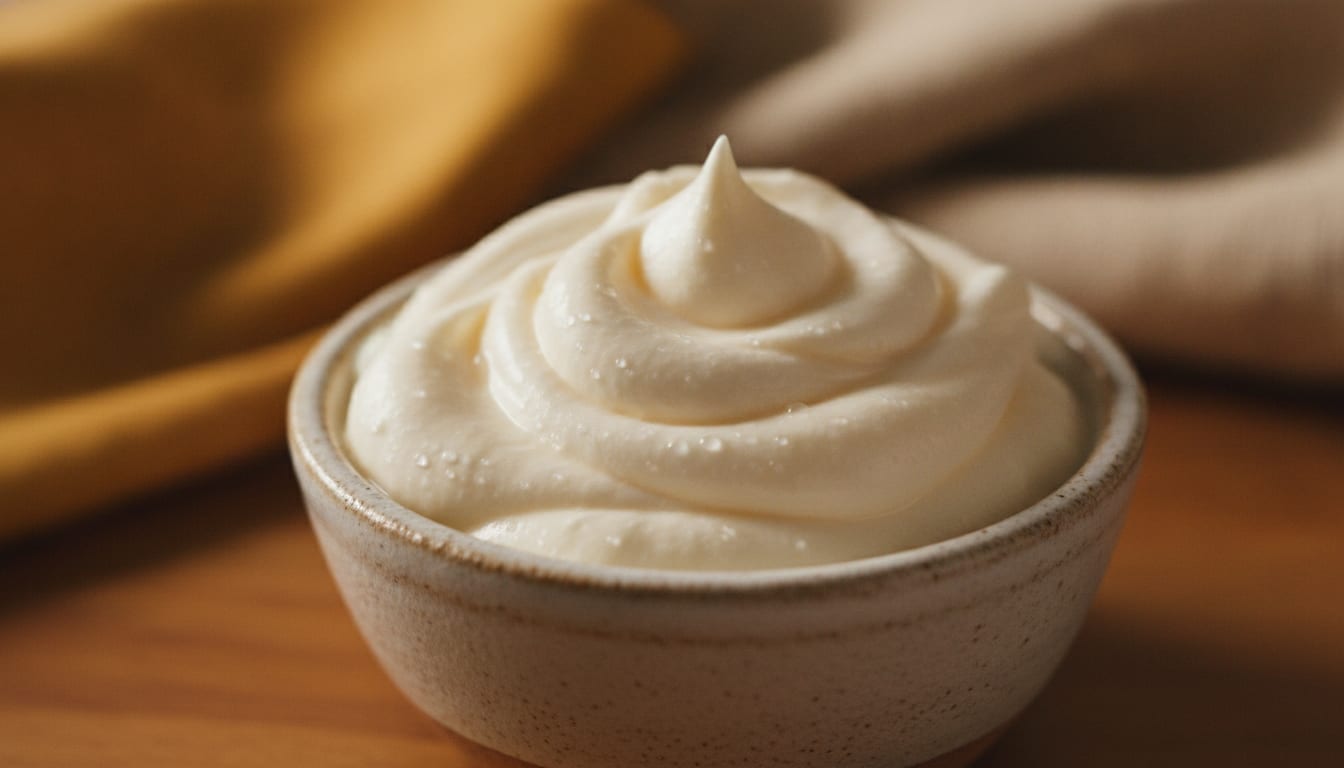
tallow for face
Tallow for Face: The Complete Guide to Benefits, Use, and Skin Types
Tallow for face: a complete guide to benefits, who it suits, how to apply it, and what the science says, from the family makers at TB Luxe.
Key takeaways
- ✓# Tallow for Face: The Complete Guide
- ✓- Dry and mature skin: often an excellent match.
- ✓Properly rendered tallow is nearly odorless and not greasy.
- ✓Tallow concentrates what the animal ate, so grass-fed, pasture-raised sourcing yields a richer, cleaner fat.
Tallow for Face: The Complete Guide
Tallow for the face is a rendered animal fat used as a rich, barrier-friendly moisturizer. Because its fatty acids closely resemble the skin's own lipids, well-made tallow absorbs without feeling greasy and carries fat-soluble vitamins A, D, E, and K. It suits most skin types, especially dry and mature skin, though individual response varies.
At T&B Luxe, we are a family business hand-rendering grass-fed tallow in small batches. This guide covers everything you need to use tallow on your face with confidence.
What is tallow, exactly?
Tallow is purified beef fat. When rendered slowly and cleaned well, it becomes a smooth, nearly odorless balm. A scoping review on its biocompatibility highlights that tallow's lipid profile is similar to human skin, which helps explain its compatibility and absorption (Tallow biocompatibility review). A claims analysis of beef tallow in skincare adds useful perspective on which benefits are well supported and which are overstated (Beef tallow claims analysis).
For the difference between stable animal fats and seed oils, see our companion piece on tallow vs seed oils for skin.
Benefits of tallow for the face
- Barrier support. Saturated fatty acids contribute to the skin's ceramide structure, part of the barrier that holds moisture (Saturated fatty acids and ceramides).
- Deep moisturization. A skin barrier review confirms that replenishing lipids and reducing water loss is central to caring for dry skin (Skin barrier review).
- Fat-soluble vitamins. Tallow naturally carries vitamins A, D, E, and K, and grass-fed sources tend to be richer in fat-soluble antioxidants (Grass-fed vs grain-fed).
- Clean simplicity. A single, minimal ingredient means fewer potential irritants for sensitive skin.
We share these as supportive benefits, not medical claims. Tallow is a nourishing moisturizer, not a treatment for any condition.
Does tallow suit your skin type?
- Dry and mature skin: often an excellent match.
- Normal and combination skin: usually does well with thin layers.
- Sensitive skin: frequently tolerated; start with unscented formulas.
- Oily or acne-prone skin: mixed. Some do well, some prefer to avoid it on the face. See does tallow clog pores and patch test first.
How to use tallow on your face
- Cleanse with a gentle tallow soap.
- Apply to slightly damp skin to help seal in hydration.
- Use a small amount, warmed between your fingers, and press it in.
- Layer thin in the morning, slightly richer at night.
- Add sunscreen as your final daytime step; tallow is not an SPF.
For a full step-by-step, see how to build a tallow skincare routine.
Does tallow smell or feel greasy?
Properly rendered tallow is nearly odorless and not greasy. Off-odors and greasiness come from careless rendering or using too much product. Our full explanation lives in why tallow doesn't smell like meat or feel greasy.
Why sourcing and purity matter
Tallow concentrates what the animal ate, so grass-fed, pasture-raised sourcing yields a richer, cleaner fat. We render in small batches, purify with Mediterranean Sea salt, and never use chemicals, preservatives, colorants, parabens, fragrance oils, aluminum, or sulfates. To understand why testing and sourcing matter for any skincare, read heavy metals in skincare and grass-fed vs grain-fed tallow.
Frequently Asked Questions
Is tallow good for your face?+
For most skin types, yes, as a nourishing moisturizer. Its similarity to skin's own lipids supports absorption and barrier comfort, though individual results vary.
Can I use tallow on my face every day?+
Yes. Use thin layers, ideally on slightly damp skin, morning and night. Add sunscreen during the day.
Will tallow make my face break out?+
Most people tolerate it well, but a minority find it too rich. Patch test for two to three days and start with a thin layer.
Does tallow help with anti-aging?+
Tallow is moisturizing and carries fat-soluble vitamins, which support skin comfort and softness. We do not claim it reverses aging; think of it as nourishment, not a medical treatment.
Is grass-fed tallow better for the face?+
Generally yes. Grass-fed, pasture-raised fat tends to be richer in fat-soluble antioxidants and renders cleaner, making for a more nourishing balm. *This article is educational and not medical advice. TB Luxe products are not intended to diagnose, treat, cure, or prevent any disease.*
Tallow care to explore
Products our customers reach for

 Tallow
 Tallow
 Tallow
Lavender Dream Tallow and Honey Soap
Handcrafted tallow & honey - cleanses without over-drying.

 Tallow
Have a question about your skin?
Marvin, our resident tallow expert, is here to help, and he’ll unlock 10% off your first order.
Chat with Marvin 🐮From the TB Luxe family
We’re Tabitha & Benjamin Moore, a family of seven hand-crafting grass-fed tallow skincare. Follow along for more honest tallow guides, new products, and where to find us in person.
Keep reading